A perfectly set windshield feels like a quiet promise. The cabin hushes. The A-pillars vanish into sightlines. Wipers sweep without chatter, and the heads-up display lands exactly where your eyes expect it. That’s how a luxury or exotic should feel after glass work. Spartanburg has plenty of shops that can put in a piece of glass. Fewer can make your Aston Martin door glass glide like silk or calibrate the radar camera on a Bentley Continental so lane-keep behaves the same as it did at the factory track in Crewe. If you care about fit, acoustics, and long-term integrity, the difference matters.
I’ve spent years shadowing glass techs and service managers who specialize in high-end brands. I have watched a Ferrari 488’s windshield replaced without a single adhesive smudge on the Alcantara, and I have seen a Range Rover’s surround-view camera refuse to calibrate because someone tried to reuse a bent trim clip. The details are small and ruthless. This guide distills what owners in Spartanburg need to know before booking auto glass work, whether you are choosing a routine windshield crack repair Spartanburg drivers schedule for small chips, or commissioning full car window replacement Spartanburg owners trust with rare trim.
What sets luxury and exotic glass work apart
The glass is only half the story. A modern windshield is a structural component, an acoustic barrier, and often a sensor array. On luxury cars, you also get laminated side glass, hydrophobic coatings, UV filtering, and precise curvature that affects how the dash and A-pillars frame your view. On exotics, tolerances tighten further. One millimeter of misalignment at the cowl can translate into wind hiss at 65 mph, or worse, a HUD image that floats off-center.
Adhesives differ too. Many premium platforms require high-modulus urethanes to restore torsional rigidity. Cure times vary with temperature and humidity, and the safe drive-away window isn’t cut-and-dry when your windshield anchors an array of ADAS sensors. Shops used to economy sedans may not carry the adhesive variant your Panamera or NSX service manual specifies. Ask them. You want to hear brand and part numbers, not generalities.
Even trim matters. On a Mercedes S-Class, some garnish moldings are one-time-use and must be replaced to guarantee water tightness. Lamborghini and McLaren use specialty fasteners that crack if over-torqued. If a shop says they can “make it fit,” keep your keys. You want “we have the OE clip kit and the torque spec.”
Choosing the right Spartanburg partner
Spartanburg is a motorsport town at heart. BMW’s footprint shapes the culture, and you can feel it in the standards many owners keep. There are a handful of outfits here that take luxury and exotic glass seriously, offering auto glass repair Spartanburg drivers can lean on without anxiety. The signs you have the right crew are straightforward. They invite you into the process. They show you glass provenance and provide options: OE, OEM, and high-spec aftermarket like Saint-Gobain or Pilkington. They can articulate how each choice affects acoustic dampening, HUD clarity, and rain sensor behavior. If you ask about ADAS, they do not blink. They show you their calibration targets, scan tools, and the space where the work happens.
Mobile auto glass repair Spartanburg owners often prefer for convenience can work for certain jobs, but with luxury vehicles you need a hybrid approach. Simple chip fills, back glass where calibration is not required, and some door glass work can be handled on-site if the environment is controlled. For ADAS-equipped windshields, a shop bay with proper targets, level floors, and known lighting is strongly preferred. A good provider will tell you which category your vehicle falls into and why.
Windshield replacement versus repair, explained with stakes
A small star break on a 911’s windshield is not the same decision as on a base compact. Porsche windshields integrate an acoustic interlayer that keeps cabin noise low for long drives. A repair with resin can save the original glass, preserve the factory seal, and keep the optics consistent. But only if the damage sits outside the camera sweep and the driver’s primary field.
Repair resins are not equal. Low-viscosity blends wick deeper into microfractures and cure optically clearer, but they need heat cycling and careful UV exposure. I have seen a tech warm a chip with a handheld infrared lamp to make the resin flow, then pulse UV in short bursts to prevent blooming around the impact point. Done right, you get a faint ghost. Done poorly, you get distortions that your eyes will chase on every morning commute.
When the crack runs, there is no safe shortcut. Windshield replacement Spartanburg shops can complete the job same-day, but the vehicle should sit until the adhesive achieves minimum drive-away strength. With high-modulus urethane at a warm shop, that can be around one to three hours. If your windshield anchors forward collision and lane centering cameras, the calibration must follow. On brands like Audi and BMW, static calibration with targets, plus a dynamic road test, is routine. The process can take 60 to 120 minutes. Budget the time. Owners who rush this step often return with phantom warnings or vague steering corrections.
The quiet science of acoustic glass
Luxury cabins whisper. That isn’t an accident. Many premium windshields and side windows use laminated construction with an acoustic polyvinyl butyral interlayer. The interlayer cuts certain frequency bands of wind and tire noise by measurable margins, typically a few decibels, which the human ear perceives as a clear drop in overall harshness.
Substituting non-acoustic aftermarket glass saves money up front and costs you serenity for years. I once rode in a late-model S-Class after a bargain windshield swap. At 70 mph, conversation needed a step louder. The owner thought something was wrong with the door seals. We put a decibel meter on it. The cabin measured 2 to 3 dB louder than spec. We reinstalled OE acoustic glass, and the number fell back into the expected range. That is the kind of difference you live with every day, whether or not you track the numbers.
HUD clarity is another subtlety. The reflective layer in HUD windshields is tuned for the projector’s angle. A general replacement may throw a faint double image or a fuzzy edge. If you use a heads-up display, specify HUD-compatible glass explicitly. Make the shop write it on the work order.
Calibrations are not optional
29316 Windshield 29316Advanced driver assistance systems turn the windshield into a sensor platform. A camera bracket off by a degree can push the car left on a straight highway. Radar modules behind the glass need the correct dielectric properties to send and receive cleanly. After replacing the glass, proper ADAS calibration is non-negotiable.
Static calibrations rely on level floors, exact distances, and sometimes weight simulation to mimic a fully fueled and loaded car. Dynamic calibrations require a road drive at steady speeds with clear lane markings. When I evaluate a shop, I look for a dedicated calibration area, the right target boards for different marques, and scan tools with current software. Ask how they handle brands outside the mainstream. If they outsource the calibration, that can be fine, as long as the logistics keep your car in a controlled loop. What you want to avoid is the “we drove it and the light went out” method. That is not calibration, it is wishful thinking.
When mobile service makes sense
There is a time and place for mobile auto glass repair Spartanburg residents love for convenience. If you have a small chip well away from sensors and vision lines, a skilled mobile tech can stabilize it in a driveway. If a rear quarter glass gets broken by a stray baseball, mobile replacement with OE parts and fresh clips can restore security quickly. For vintage exotics with no ADAS and simple trim, I have seen perfect at-home installs by old-school craftsmen who bring their own clean-room tents and heat lamps.
Still, weather, dust, and uneven ground complicate the job. Adhesives cure inconsistently when temperatures swing. A stiff breeze will deposit grit into a bead, which later becomes a leak path. And without laser targets or level floors, ADAS calibration is off the table. A good rule: mobile for repair and non-calibration replacements, in-shop for windshields with cameras or rain sensors, or any car with a heads-up display.
Insurance, glass coverage, and managing expectations
South Carolina insurance policies vary widely on glass. Some comprehensive plans cover windshield replacement with no deductible, some cover only repair without affecting your claims history, and others want a deductible that makes repair the rational first choice. It is worth a five-minute call before you schedule work. Ask specifically about OE glass coverage. Many insurers default to aftermarket, but will authorize OE if you make the case for ADAS, HUD, or acoustic requirements.
If your policy funnels you to a network, you can still request a particular provider in Spartanburg. The key is to document the need. A shop that knows the ropes will help submit the right language: “vehicle requires OEM acoustic windshield with HUD layer and camera bracket, calibration mandatory.” Paperwork should reflect the reality of your car’s build, not a base trim assumption.
Timing and craftsmanship: what the day will look like
Expect a measured pace. The tech will protect the interior first, draping seat covers and dash mats. Trim removal is deliberate. On a Bentley or Aston Martin, they will inventory clips and seals as they go, replacing one-time-use parts on reassembly. The old glass comes out with careful cuts along the urethane bead. You will not hear frantic scraping. Any rust at the pinch weld must be addressed before laying new adhesive, or the bond will suffer.
Dry-fit is a quiet dance. They set the new windshield in place without adhesive to check the gaps, the cowl fit, and the sensor mount. If something feels off, they stop and compare part numbers. Only when the fit is right do they lay a fresh, even bead with the correct nozzle height. The glass goes in once, clean and true. Excess squeeze-out gets dressed immediately, not tomorrow after it skins over.
Cure time is not negotiable. The shop will give you a safe drive-away window, often two to four hours for luxury vehicles, sometimes longer in cold weather. If calibration follows, count on another hour or two. Bring a book, take a walk, or arrange a ride. Rushing ends poorly.
Door glass, regulators, and the art of quiet
Many luxury cars use frameless glass that drops a fraction of an inch when you pull the handle. That requires careful calibration of the regulator and the pinch protection system. When replacing door glass, the tech must align the glass to the run channel, adjust the window’s limit stops, and set the pinch sensitivity. If pinch is too lax, you risk trapped fingers. Too strict, and the window will bounce open at the slightest resistance.
A common owner complaint after a rushed job is wind noise at highway speeds. The fix is typically in millimeter tweaks at the fore and aft glass mounts. The difference between a whisper and a whistle can be a quarter turn of a bolt. Watch for shops that test drive and fine-tune rather than slamming the door once and calling it done.
When repair is smarter than replacement
I recommend repair when the damage is small, clean, and outside the driver’s main line of sight and camera sweep. Chips smaller than a quarter, cracks under a few inches that have not hit the edge of the glass, and no crushed glass powder inside the laminate are good candidates. The benefits are real. You keep your factory seal, avoid the risk of trim damage, and save the calibration step. For a rare windshield that takes weeks to source, a well-executed repair can be the difference between missing a road trip and making it.
There are limits. If water intrusion has stained the PVB interlayer, the repair will remain visible and can look worse under polarized sunglasses. If the impact sits in the camera’s field, repair might leave a distortion the camera interprets as movement. In that case, replacement and calibration are the safe choices. An honest shop will explain the trade-offs without pushing you either way.
Sourcing the right glass: OE, OEM, and premium aftermarket
OE, or original equipment, is what came on the car at the factory. OEM glass is made by the same manufacturer to the same spec, often with the logo shaved for aftersales. Premium aftermarket can perform nearly as well, and in some cases exactly as well, but not always. I often see Saint-Gobain on European cars, Pilkington on British and Japanese brands, AGC on a range of models. Your service adviser should be able to show you the stamp on the glass and explain whether it meets acoustic and HUD requirements.
The price spread can be significant. For a high-end SUV, OE windshields can run into four figures before labor, while a premium aftermarket piece might come in 20 to 40 percent lower. If you do not have HUD and your ADAS uses radar behind the grille instead of the glass, the savings could make sense. If you have a full-featured driver assistance suite and are sensitive to cabin acoustics, pay for OE or OEM. You will hear and feel the difference.
Water testing, leak prevention, and the first rain
A leak is not always obvious in the first hour. I insist on a structured water test. The shop should flood the perimeter with a low-pressure stream for several minutes while someone inside watches for a trace of moisture. Drip pans and towels are not overkill. On a convertible or a coupe with long doors, they should verify drain paths are clear. Many cowl areas include drains that clog with leaves and grit. If those drains back up after a windshield swap, you might blame the glass when the real culprit is pooled water that creeps into the cabin at the first heavy storm.
If a leak appears days later, a responsible shop will bring you back, recheck trim seating, and smoke-test the cabin to find the path. Good shops warranty their work, and in my experience the best ones fix issues with patience, not finger pointing.
The calibration road test: what great looks like
Post-calibration, the road drive should feel natural. Lane centering should not tug on gentle curves. The forward collision system should detect cars ahead consistently without phantom alerts when the road is clear. If your car has traffic sign recognition, the camera should read speed limit signs without hunting.
I watch for two things. First, the tech should verify steering angle sensor alignment. Many vehicles require a scan tool to zero the steering angle after glass work and calibration. If your wheel sits a few degrees off center on a straight road, that is not “normal.” Second, they should confirm rain sensor sensitivity with a spray test. A mis-seated gel pad can cause wipers to thrash or ignore drizzle. If the shop takes the car around the block and hands back the keys in ten minutes after a windshield replacement on a car with cameras, they likely skipped steps.
A short decision guide for owners
- Chip or small crack away from sensors and sight lines: prioritize repair to keep the factory seal, especially if you have acoustic or HUD glass. Windshield with ADAS camera or HUD: schedule in-shop replacement with full calibration on level floors, specify OE or OEM glass. Frameless door glass or laminated side windows: choose a provider with brand-specific regulator and pinch calibration experience, expect fine-tuning for wind noise. Rare or exotic models: confirm trim clip kits and one-time-use seals are in stock, ask to see glass provenance and part numbers. Insurance involved: clarify coverage for OE glass and calibration, have the shop document acoustic and sensor requirements for approval.
Real-world examples from the Upstate
A BMW M5 owner called me after a pebble left a bullseye just outside the rain sensor area. The car had a HUD and a full ADAS suite. We opted for a resin repair within 48 hours. The tech used a high-clarity resin and warmed the glass lightly to help penetration. The result was a faint crescent visible only under certain angles, and the owner kept his factory acoustic windshield without needing calibration. Two years later, the repair still looks stable.
Different story with a Range Rover Velar that took a full-length crack in a spring cold snap. We ordered OEM glass with the proper hydrophobic coating and camera mount. The install took half a day including calibration. After the first rain, the owner reported a faint wind rustle near the A-pillar. The shop brought the SUV back, pulled the trim, and swapped two garnish clips that had seated but not locked. The noise vanished. That is the level of support you want.
A Ferrari California needed door glass after a mishap in a tight garage. Frameless glass on exotics is touchy. The tech adjusted the fore and aft tilt, then reset the pinch protection with a scan tool. We road tested at highway speed, then again on rough asphalt where some frameless windows chatter. The cabin stayed quiet. The owner later told me the window operated more smoothly than before the incident, a testament to careful alignment, not luck.
Caring for fresh glass and seals
Once you drive out, give the adhesive time to cure fully. Avoid slamming doors for the first day. If the car has a sunroof, keep it closed so internal pressure spikes do not disturb the fresh bond. Skip commercial car washes with high-pressure jets aimed at the glass edges for at least 48 hours. If you notice a faint urethane smell, that is normal and fades quickly.
Wiper blades deserve attention. Old blades can chatter and scratch a new windshield. Replace them during the job. Hydrophobic coatings need gentle care in the first week. Avoid abrasive cleaners and harsh pads. A soft microfiber with a mild glass solution keeps the optics clear.
Why the right fit in Spartanburg matters
Spartanburg’s roads span fresh interstate to winding, tree-lined routes where shadows and glare dance across the glass. HUDs and lane cameras work hard here. BMW Performance Center influences the local standard, and many independent shops keep pace, offering an elevated level of windshield replacement Spartanburg owners appreciate when variables get complex.
When you find a provider who treats a windshield like a structural and electronic component, not just a pane of glass, stay loyal. They will remember your car’s trim quirks, stock your clips, and set time aside for calibration without rushing. They will give you choices on glass tier and explain the trade-offs between OE and premium aftermarket. They will tell you when mobile service is appropriate and when it is not. And if you ever need emergency help, they will triage smartly, securing the car first, then planning the proper repair.
The difference shows up in quiet cabins, straight HUDs, driver aids that feel natural, and seals that shrug off a Southern thunderstorm. It shows up in how the door glass glides that last quarter inch and seals without drama. It shows up on the bill too, sometimes higher, but honest about parts, adhesive, calibration, and time.
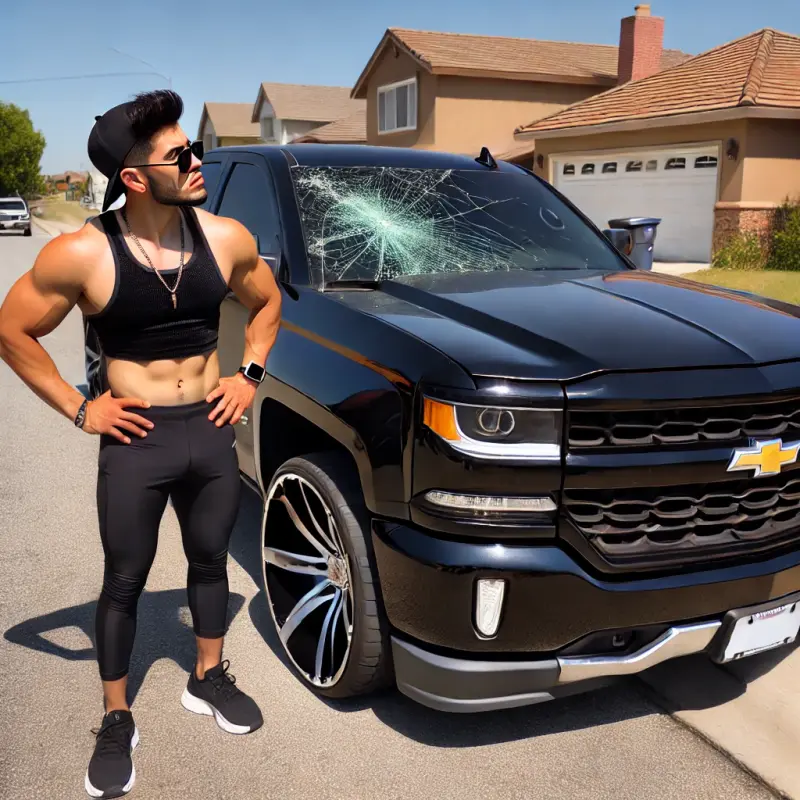
If you are weighing auto glass repair Spartanburg options for a cherished car, choose the team that talks about millimeters, not just money. For small chips, take advantage of windshield crack repair Spartanburg specialists who rescue original glass with skill. For bigger jobs, book the shop with calibration targets and patience. Asking the right questions is half the work. The rest is craftsmanship.
A final word on trust and timelines
Cars that cost six figures deserve work that respects the engineering baked into their glass and trim. Excellence here is slow by design. It involves part numbers, torque specs, calibration charts, and clean floors. It involves “no” as often as “yes” when conditions are not ideal for mobile work. It involves call-backs to check that the first rain stayed outside and that the HUD looks like a printed sticker on the air, not a double vision.
Spartanburg has the talent. Your role is to match that talent with your expectations. Ask for OE or OEM when it matters. Approve premium aftermarket only when the specs align with your features. Insist on calibration for ADAS. Give the adhesive time. Replace the wiper blades. And let the work breathe for a day before flogging the car up the Greer backroads.
When you slide into the driver’s seat and the cabin greets you with a hush, when the camera sees the world like it should, and when the glass disappears from your mind, you will know you chose well. That is luxury. That is exotic care, handled with Spartanburg competence.